ALOHA!
The Kailua Historical Society thanks you for your visit!
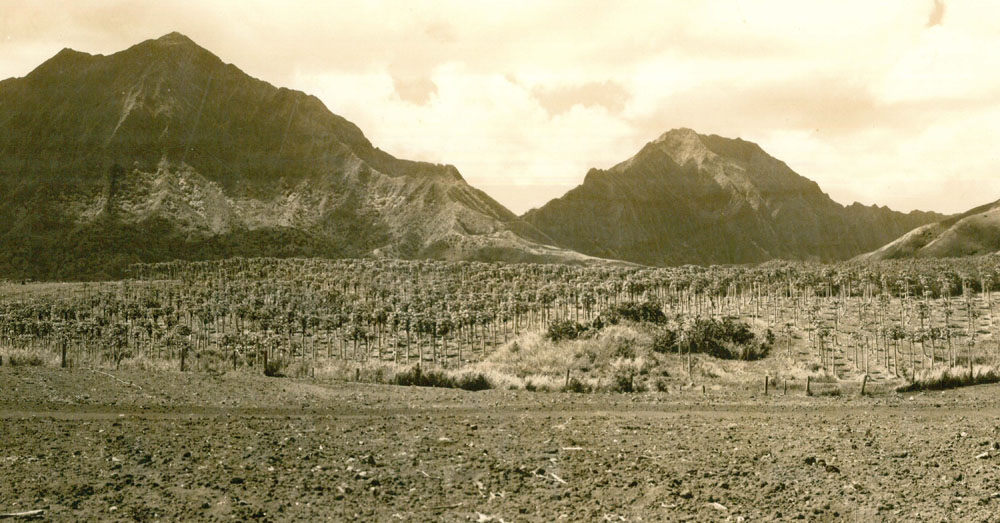
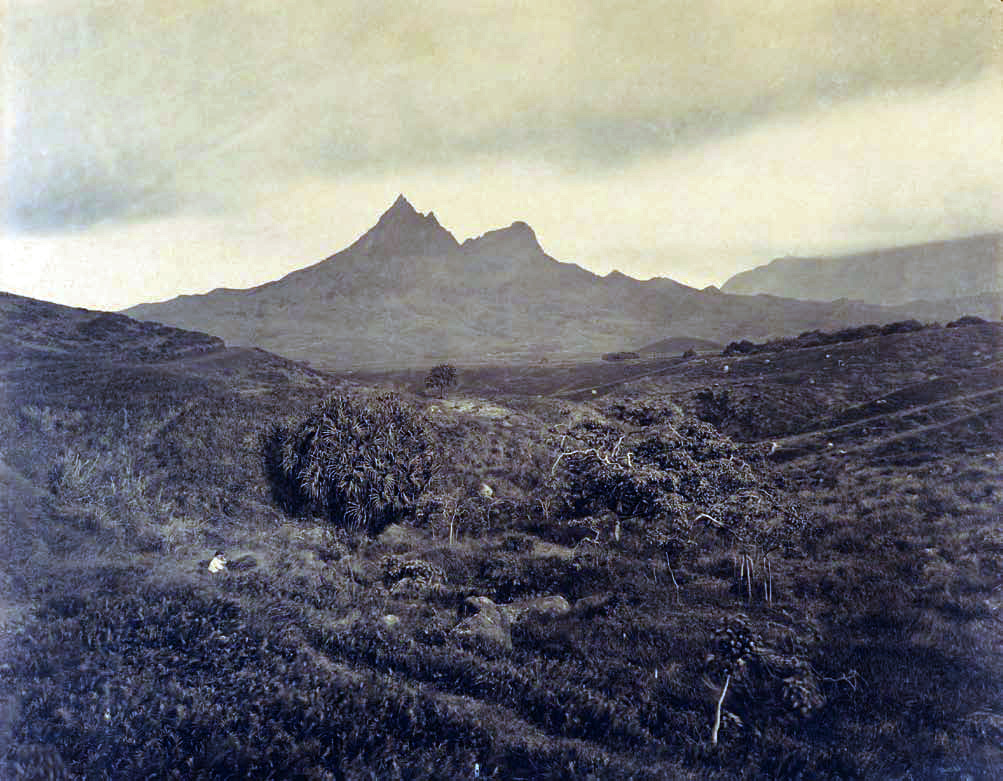
This photo looking toward Mt. Olomana is one of the oldest known photos of Kailua, circa 1800s
A Brief Overview of Kailua Historical Society
(Making Our Lively Past a Living History)
Our Kailua is globally renowned for its gentle trade winds, peaceful beaches, graceful mountains and gracious people. Many may not know it is frequently Kailua which symbolizes Hawai‘i to the world, for it is shown in thousands of advertisements, travel documentaries and movies. Those of us fortunate enough to live here, take great pride in Kailua’s legendary beauty:
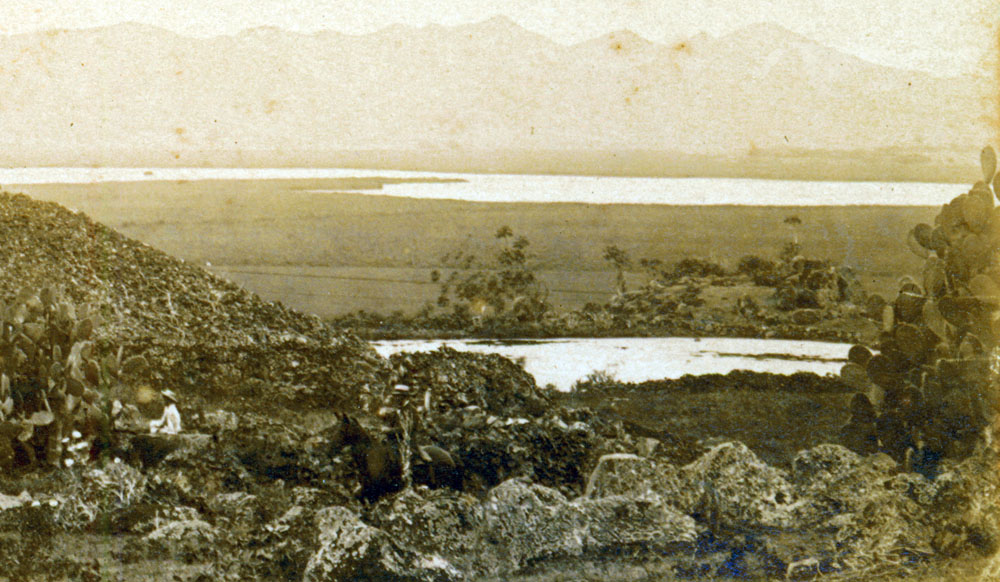
The Kawainui Marsh and the rare birds who rely on it
Nā Mokulua in the turquoise shallows of world famous beaches
The soaring fluted pali of the Koʻolau Range
Olomana’s unique jagged silhouette
Brilliant blossoms and lush tropical foliage
Originally settled by ancient Polynesians, today’s residents from every continent remain nurtured by her land and waters. Kailua’s beauty was commemorated forever by our last monarch, Queen Liliʻuokalani, in her immortal love song, “Aloha ‘Oe”, which extols the cliffs, forests, birds and flowers in the romance of Maunawili.
Mo’Olelo O Kailua (Story of Kailua)
3 – 4 million years ago: Oʻahu is formed from two massive volcanoes which build into one massive landmass. The entire Windward coast from Waimanalo to Kualoa is within the caldera of the Eastern volcano.
1.5 million years ago: The Nuʻuanu Landslide explosively changes the island as half of the Eastern Volcano collapses into the sea, forming the coastline that will eventually erode to form Kailuaʻs beautiful beaches.
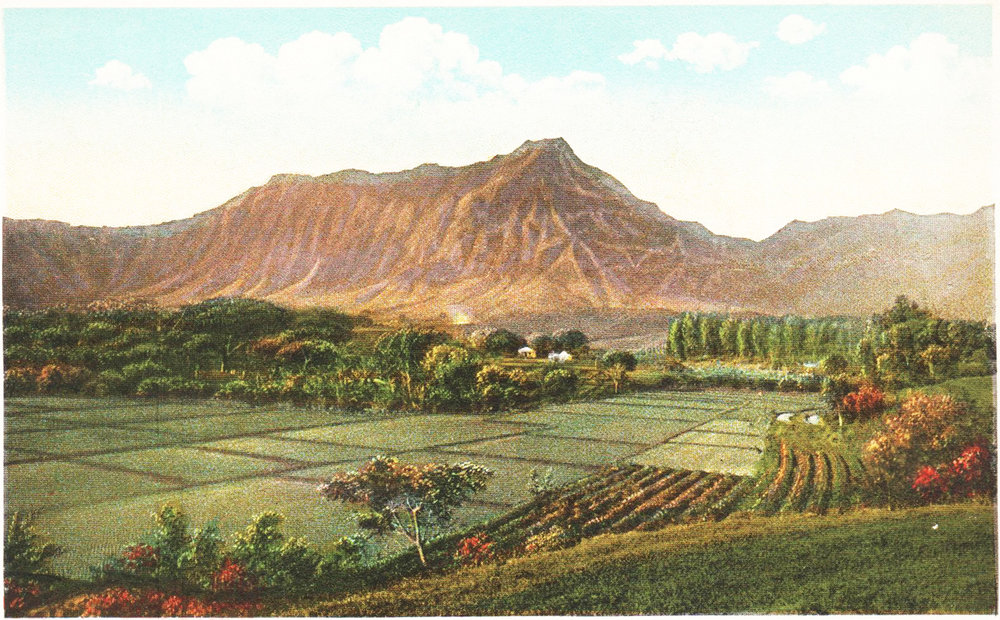
~800-1200 years ago: Polynesian voyagers arrive and start to settle the Hawaiian Islands. Kailua is a prime agricultural area for kalo.
1737: Alapa‘inui of Hawai‘i seeks battle at his Oneawa, Kailua landing. O‘ahu forces send for Chief Kuali‘i’s son, Pele‘ioholani (Alapa‘i’s cousin) averting war.
1796: Kamehameha defeats O‘ahu army at Nu‘uanu Pali. Living in Kailua, he removes his personal kapu to clean Kawainui Fishpond and adjacent taro lo‘i.
1848: The National Mahele redistributes lands in fee simple. By 1895 most windward lands are held by non-Hawaiians.
1893: Kāne‘ohe Ranch Co. is formed to raise cattle and sheep on fee simple and leasehold lands in Kailua, Kāne‘ohe and elsewhere.
1917: Several U.S. military camps are established in Windward O‘ahu, including the Kuwa‘a‘ohe army camp on Mōkapu, accessible only through Kailua.
1931: The Powlison home, “Pu‘uhonua”, is built in Lanikai in front of Alāla Heiau at Kalapawai.
1941: Kun Lau and his wife Pang Shee Lau purchase Kailua’s Lanikai Store. In 1946, USAAC Sgt. Maurice Sullivan joins the Lau family store staff. By 1948, the first Foodland Supermarket opens. In the 1950’s Sullivan and the Lau’s daughter, Joanna Ngit Cho, marry.
1959: Pali highway is realigned with tunnels, anticipating windward development.
1950-60: Residential development results in a tripling of the population.
1972: Ulupō Heiau was listed on the National Register of Historic Places in 1981 was listed on the Hawai‘i Register of Historic Places.
1979: Kawainui Marsh and environs are declared eligible for listing in the National Register of Historic Places as a Cultural Archeological and Historic District.
2005: The U.S. Ramsar National Committee designated the Kawainui and Hamakua Marsh Complex as a “Wetlands of International Importance”.
2010: The Kailua Historical Society published the best-selling book “Kailua”
Today: The Kailua Historical Society continues with your support. Thank you!